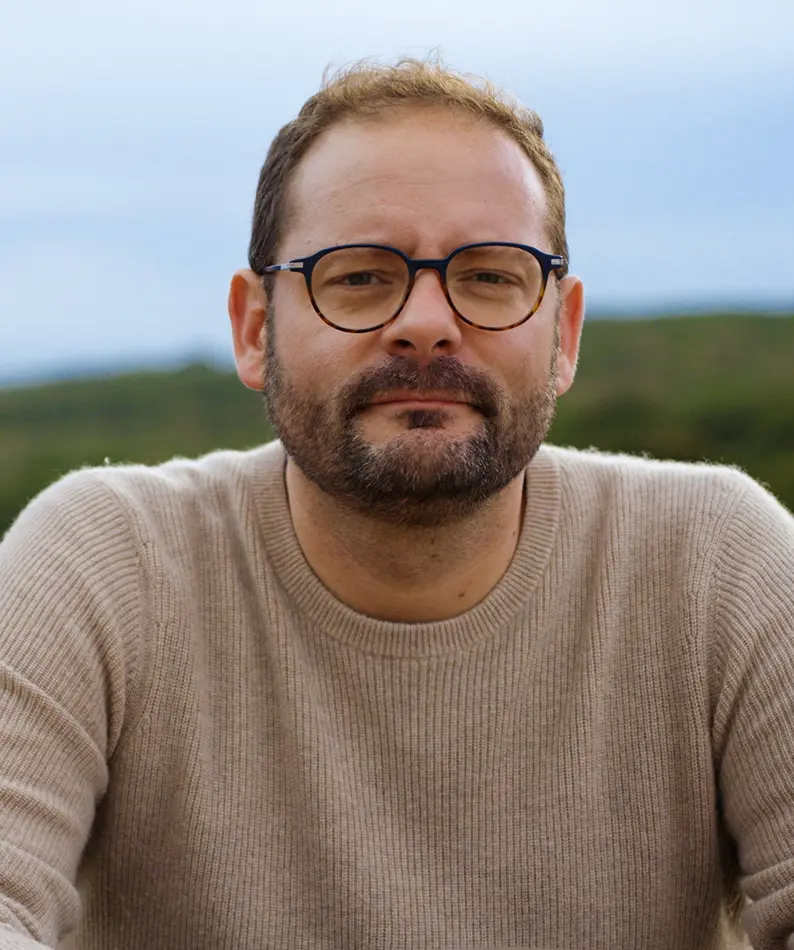
Interview with Gavin Armstrong, Founder & CEO @ Lucky Iron Life
I’m Dr. Gavin Armstrong, founder and CEO of Lucky Iron Life.
We are a Canadian social enterprise dedicated to developing simple solutions to alleviate iron deficiency, which is the world’s most widespread nutritional challenge.
While we are based in Canada, our work operates globally, supporting communities around the world.
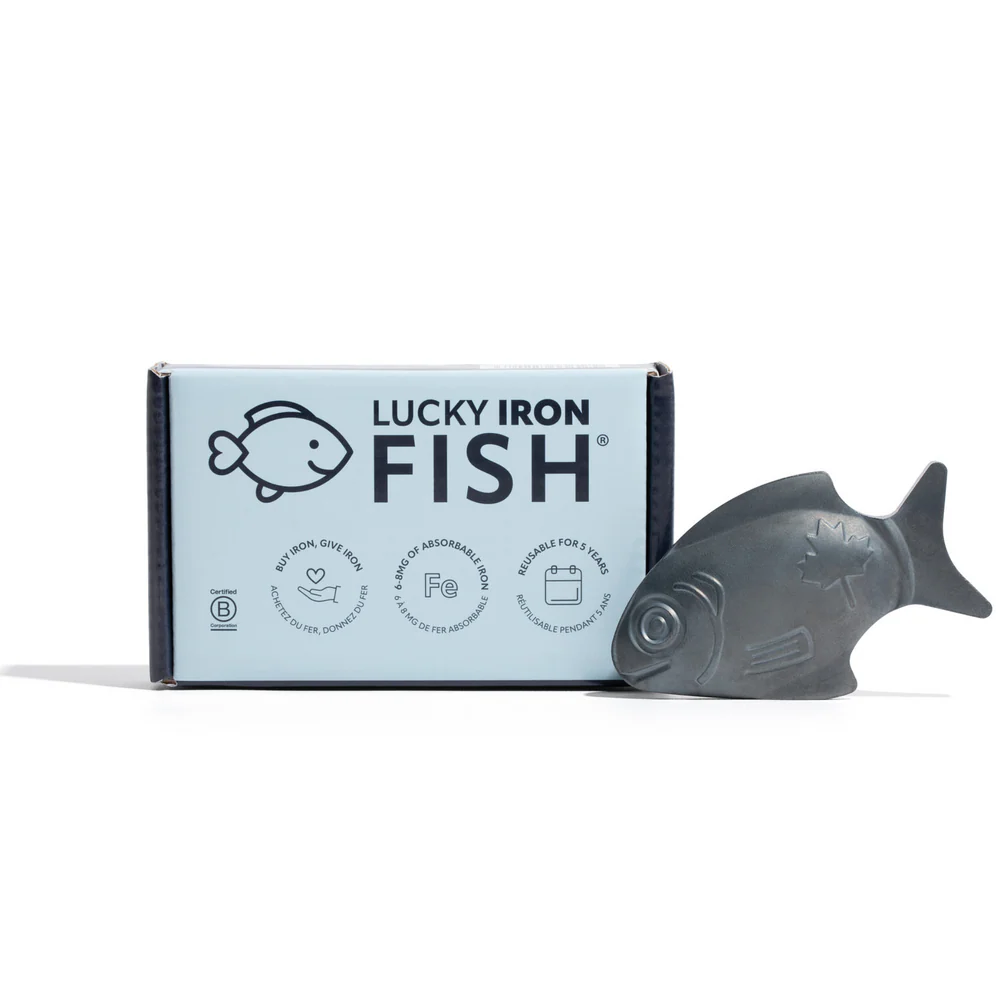
The Lucky Iron Fish is a simple cooking tool designed to naturally increase iron intake.
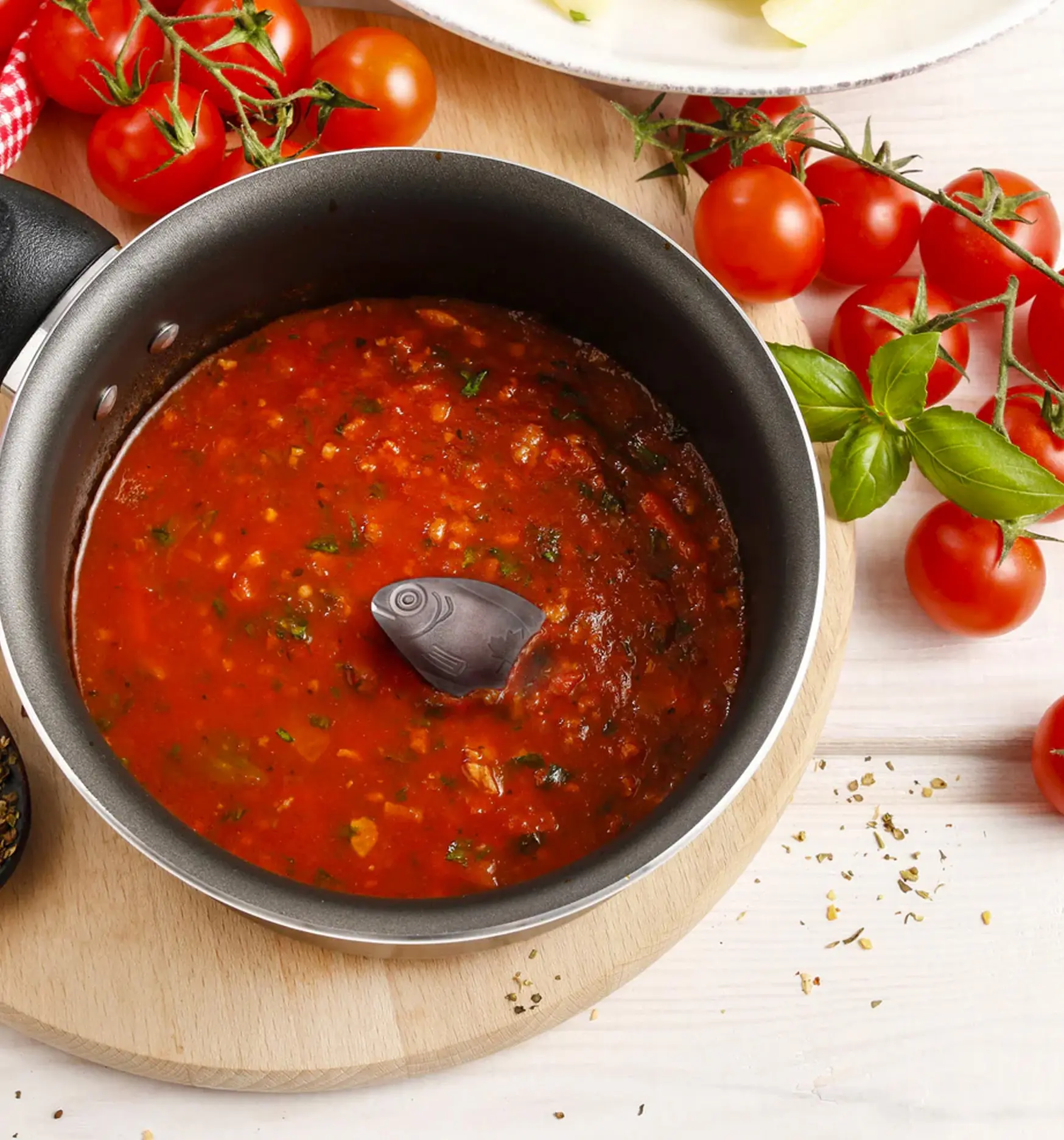
When you boil it for about 10 minutes in one liter of acidified liquid, such as water, soup, or curry, it releases 6 to 8 milligrams of iron into the food. It doesn’t change the taste, smell, or color of the meal, and it has no negative side effects.
It’s integrated into everyday cooking. You simply add it to your pot while preparing meals.
What makes it particularly powerful is its durability: one fish can be reused daily by an entire family for up to five years. It’s a low-cost, sustainable alternative to traditional iron supplements.
The idea comes from rethinking existing knowledge.
The idea builds on a long tradition: cooking with iron has existed for centuries. In some cultures, people even used iron objects in water to increase iron intake, although not always safely. We’ve taken that principle and turned it into a standardized, safe, and accessible solution.
Cooking with cast iron has been known for centuries to increase iron intake. But traditional cast iron pots are heavy, expensive, and difficult to maintain. In some cases, when NGOs distributed them, they were simply not used.
The question became: Can we reverse-engineer this concept into something simple, accessible, and acceptable?
That’s how the idea of placing a small iron object directly into the pot emerged, and eventually evolved into the Lucky Iron Fish.
Everything we do is grounded in science. We’ve conducted over 17 clinical trials with university partners.
The results consistently show that using the Lucky Iron Fish improves iron levels as effectively as traditional supplement pills.
But the real breakthrough is compliance. While supplement adherence is often around 40% due to side effects, our solution achieves over 80% compliance. People actually use it because it fits naturally into their lives.
To date, we’ve helped improve the lives of more than 1.5 million people across over 25 countries.
Beyond science and figures, one story that stayed with me comes from Guatemala.
A mother told us she loved using the product because it allowed her to walk her daughter to school every morning. Before, she was too tired and lethargic to even get out of bed.
After using the fish, she regained enough energy to do something simple, but deeply meaningful.
That’s what impact looks like: small daily changes that transform lives.
Adoption depends heavily on cultural perception.
At first, we developed the product as a simple iron disc. It worked scientifically, but in Cambodia, women refused to use it because it looked like scrap metal.
Through research, we discovered that the fish is a strong symbol of luck in Cambodian culture. When we reshaped the product into a fish, everything changed. People embraced it, not only because it worked, but because it carried meaning.
Women would say: “This brings luck to my household.” Then, as their health improved, they attributed their well-being to the “luck of the fish.”
This taught us a fundamental lesson: design must listen to culture. You cannot impose a solution, you have to co-create it with the communities you aim to serve.
Behavioral change is everything. You can have the most scientifically effective solution, but if people don’t want to use it, it fails.
Listening, adapting, and respecting cultural norms is not optional. It’s essential.
The biggest challenge today is the global funding environment.
During COVID-19, many of our programs were paused as funding shifted toward emergency responses like vaccines. Nutrition initiatives were deprioritized, even though malnutrition rates increased.
Now, we’re seeing broader funding cuts across governments and institutions. At a time when gender inequality is rising and nutrition challenges are worsening, support is actually shrinking.
It’s a difficult paradox: we need to accelerate efforts, not slow them down.
Danone Communities impact investment fund has been one of our most valuable partners.
Beyond financial support, they bring what we call “smart capital” like expertise, guidance, and ongoing engagement.
Whether it’s HR, marketing, research, packaging, or entering new markets, we can rely on their network and experience. Their strength lies in their ability to connect strategy with execution. They understand the realities of operating in complex environments and help us refine how we reach the most vulnerable populations.
Having access to that level of operational and field expertise, from a global organization, is an incredible asset. One of their representatives even sits on our board.
This kind of partnership accelerates everything. It allows us to make better decisions, faster.
So, what’s next?
We’ve recently launched a new product: Lucky Iron Daily, an iron-enriched powder.
While the fish requires boiling for 10 minutes, which can be a barrier in some contexts, the powder can simply be added to water or food instantly.
It’s especially useful for large-scale applications like school meal programs, where you need to fortify hundreds of meals efficiently.
We’re excited about its potential, and once again, Danone Communities played a key role in helping us bring it to market.
Lucky Iron Life has completely changed my life.
It started as part of my PhD, where I worked both on the scientific efficacy of the product and on building a social enterprise model. I didn’t want the research to sit on a shelf, I wanted it to create real-world impact.
Today, I strongly believe the private sector has a critical role to play in solving global challenges.
We’re trying to prove that it’s possible to build a business that does well, and does good at the same time.