Here I am back from my trip. A culinary and curious journey as I like them, free and personal, in search of the taste of Central Asia.
In Uzbekistan, Kazakhstan and Kyrgyzstan, cooking and eating means continuing to trace a tasty route of taste, which magically follows the ancient silk roads. Each preparation and each bite tell of a fragile balance between nomadism and sedentary lifestyle, between inherited collectivism and new freedom.
Here, the table is a crossroads: you can read the traces of Persia, Russia, China and the steppes, but also an identity in the process of reinventing itself.
On the roads of Kazakhstan, I drank two bowls of fermented milk.
The first, white and sparkling: the Shubat, fermented camel milk. The second, more acrid, slightly smoky: Koumis, slightly alcoholic mare's milk. Two thousand-year-old drinks, invented to last, to survive, to travel.
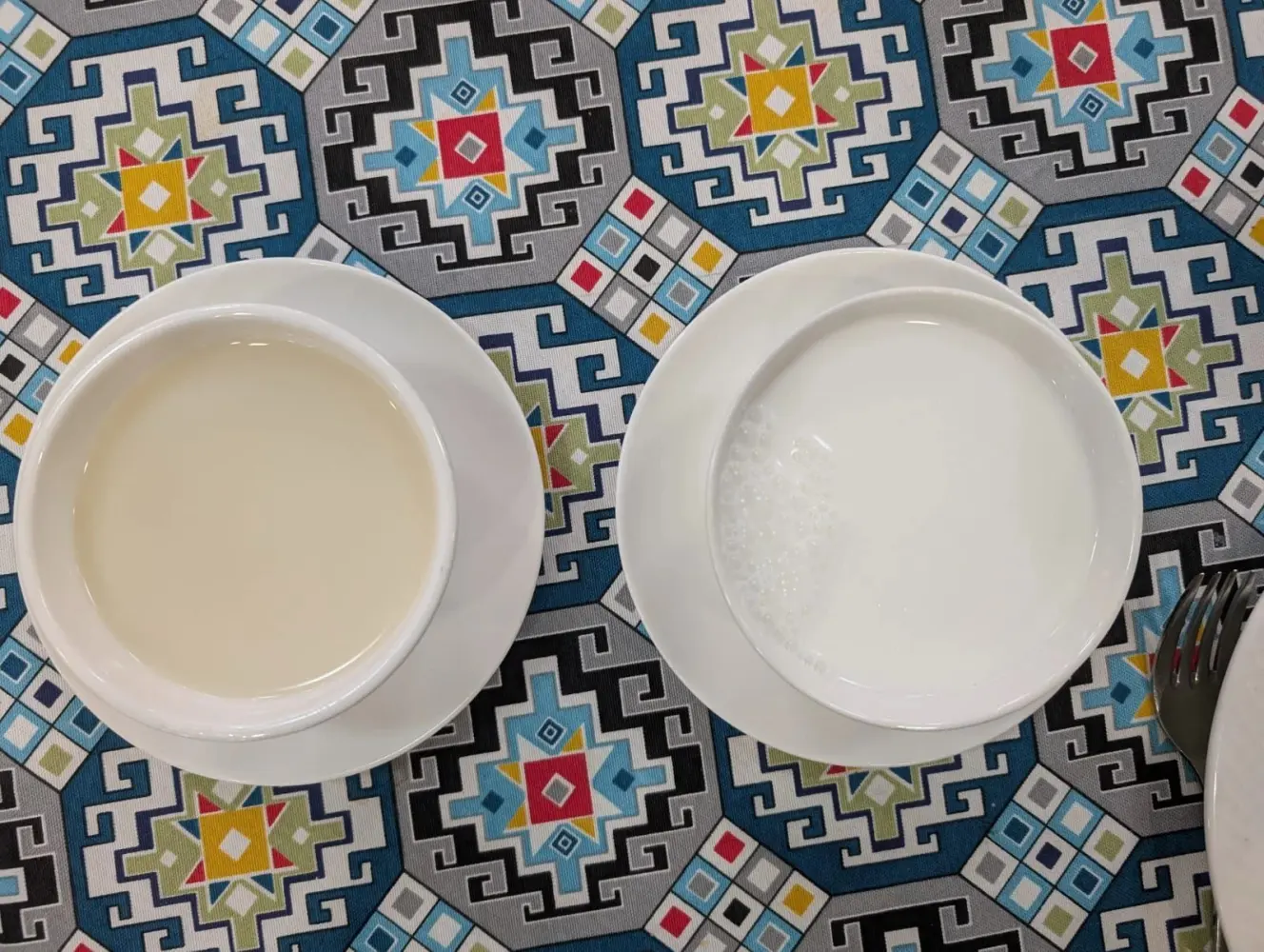
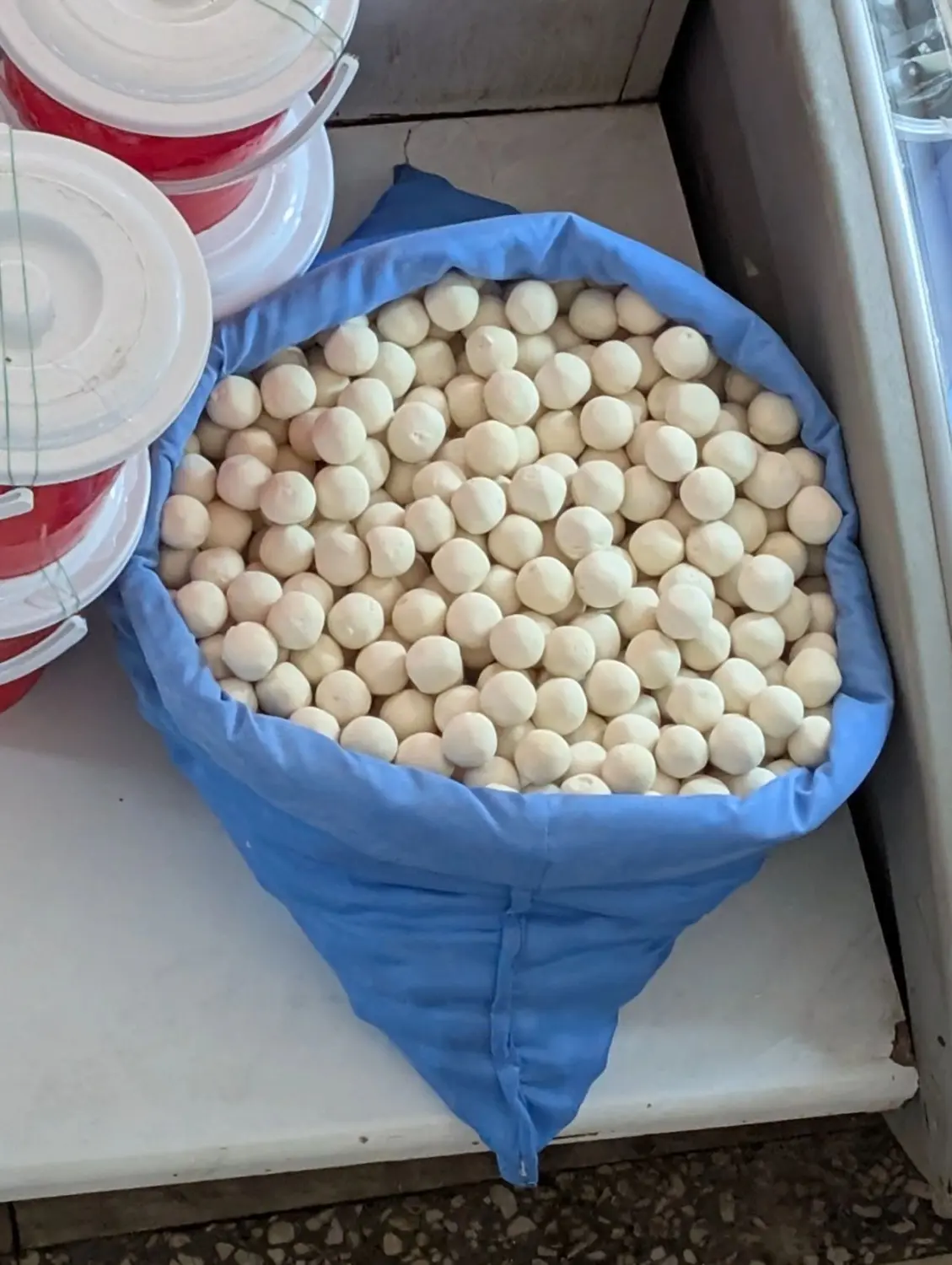
These fermented milks condense the whole spirit of Nomadism : a direct relationship to nature, to the herd, to the living. These milks also feed the local taste chain, Qatiq (thick yogurt) with Suzma (its drained version), from suzma to Qurt, these dried milk balls, eaten as snacks sometimes with Coca-Cola, sometimes with a good beer. The same ferment, a thousand textures: a lesson in circular economy before its time.
Then comes the bread “no”, this golden disc cooked in Tandyr.
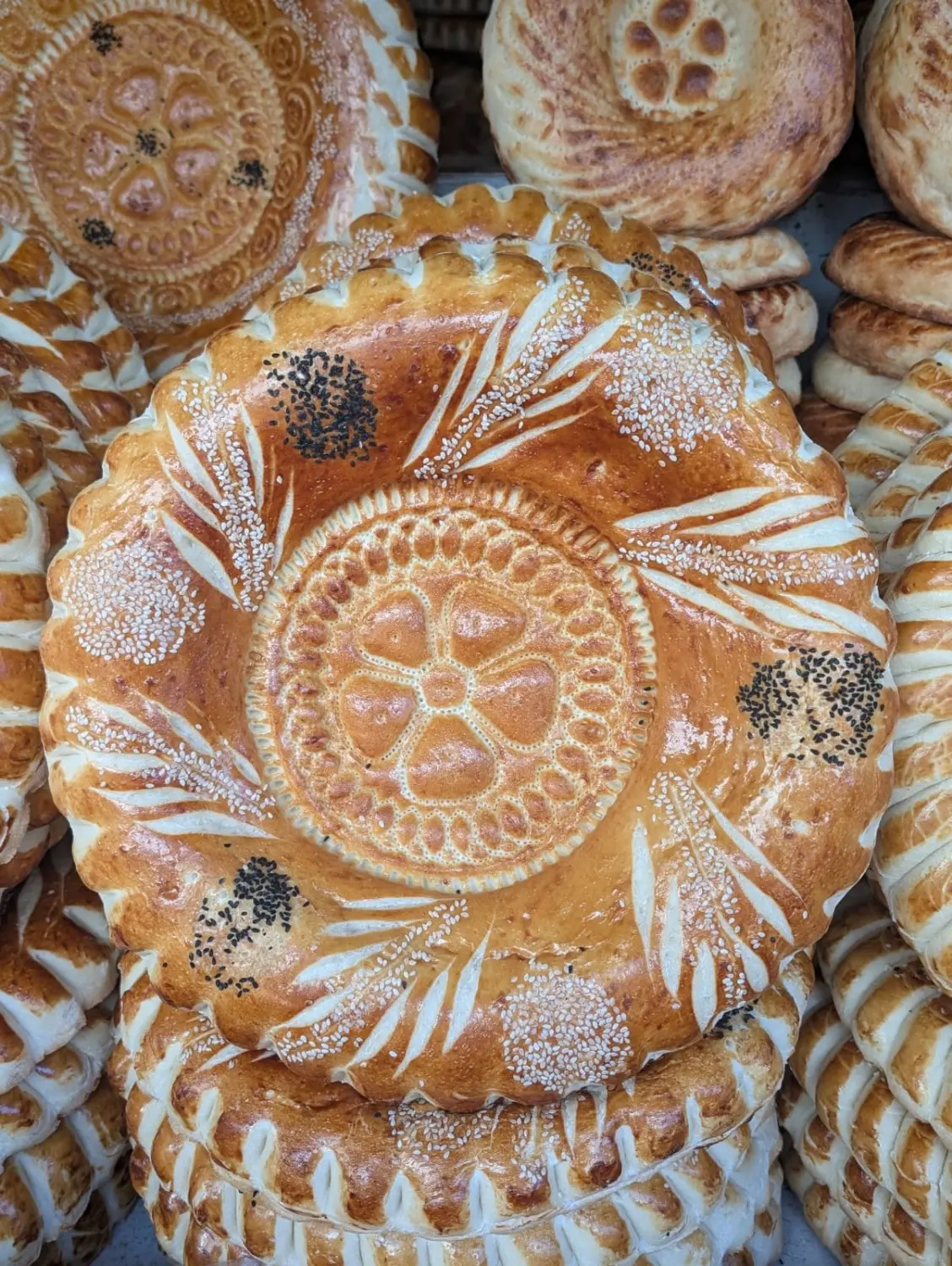
In Samarkand, I met Fayoz's family: the father sells the bread and maintains the link with the inhabitants of the neighborhood, the son kneads and takes care of the oven, his young wife oils the bread and makes it with sesame seeds. Finally, on the wall, the photo of the missing grandfather silently watches over the family business.
From the tandyr, the bread comes out swollen, engraved in its center with a pattern with Chekich, to look nice and to prevent it from blistering.
Here, bread is sacred. You never put it upside down, you never throw it away. It is the symbol of a sedentary lifestyle, of home, of peace. When you plant wheat, when you build an oven and bake bread in it, you learn to stay put.
In Almaty, in a trendy coffee shop, a young waiter told me:
“Life is difficult without a good coffee and a piece of cake.”
This sentence says everything about a post-Soviet generation currently marked by recession. Coffee is not just a trendy drink: it is a manifesto of individual freedom. After decades of standardized canteens, young Kazakhs want to choose their flavor, their cup, their ambiance. And they want to have fun.
It is also a symbolic revenge: Coca-Cola against Pepsi (the brand had an agreement with the Soviet Union as early as the 1970s), koumis and cappuccino in exchange for that good old tea (which we still continue to like anyway, black or green). The steppe opens up to the world, but without denying its roots.
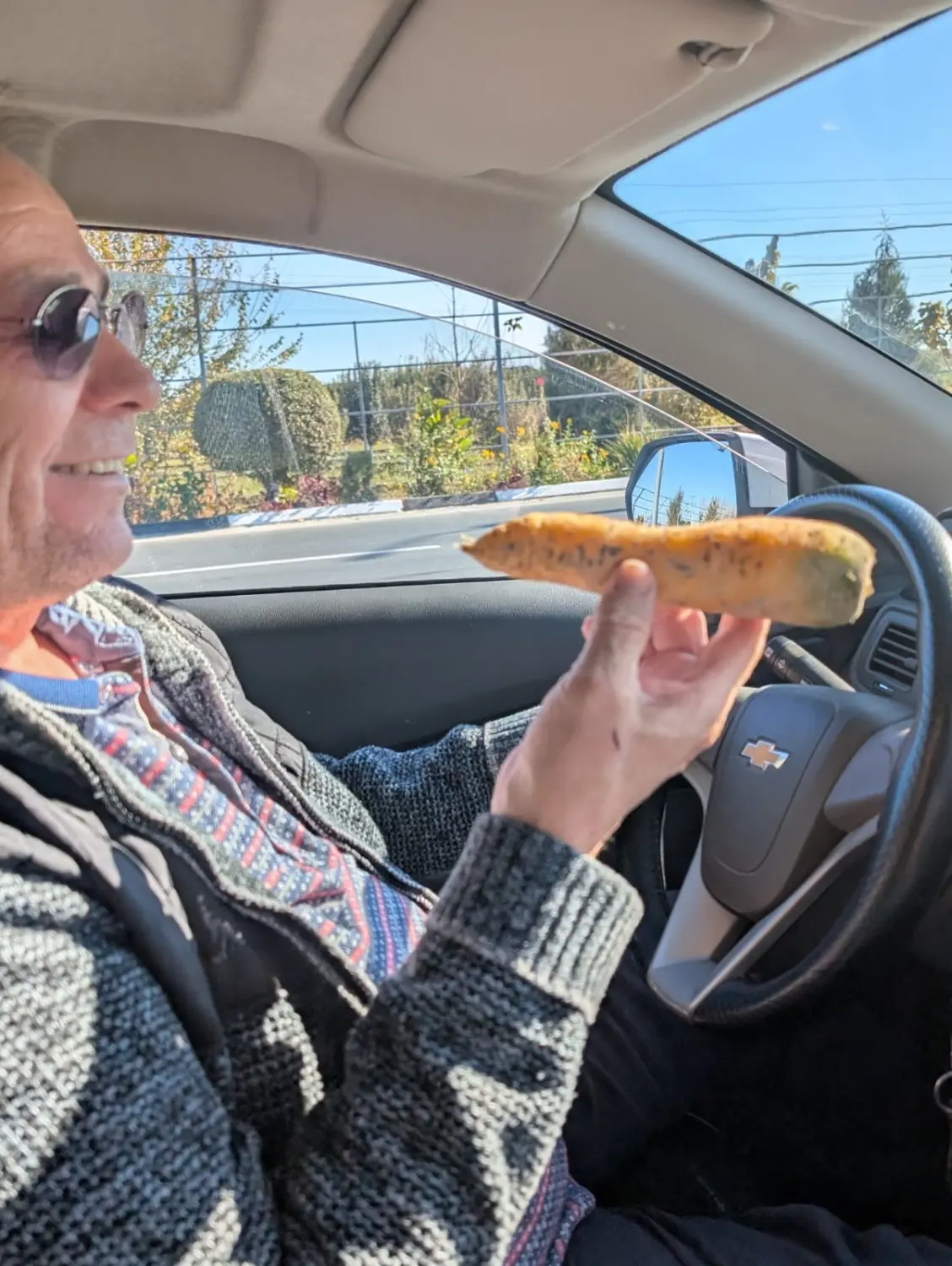
I will also remember for a long time Maksim, a taxi driver in Khiva, overexcited and laughing. On the road, he stops short of peasants harvesting carrots, rolls down his window and asks, without good morning, without mercy:
“Here you go, give me a carrot!”
He is immediately handed a large carrot, orange and fragrant. No transactions, no facade of politeness. Here, sharing is a reflex, not a ritual. It connects without waiting for a return. It is the proof of a real fraternity, where everything belongs to everyone.
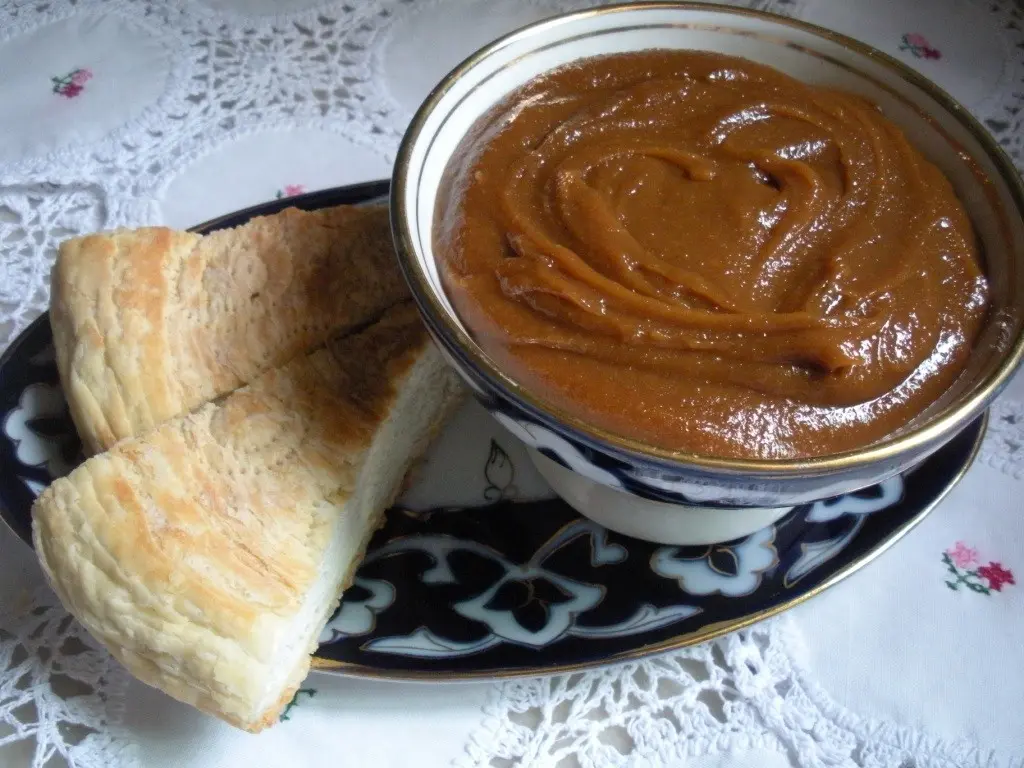
And then there's the Sumalak, this brown sprouted wheat paste that I've heard a lot about, cooked collectively as spring approaches, to celebrate Navruz. It simmers all night, stirred by women singing, laughing, and praying. Wheat sugar becomes sweetness, the gesture becomes solidarity.
Unfortunately, I could not taste it because it was not in season. But I don't despair of being able to do it next March, in Paris — maybe a reader will have a good plan for me, why not?
Exploring the taste of others is a bit like trying to understand a new language. In Central Asia, I discovered a region where the dialect of wind, milk and fire is still spoken.
Central Asia is a fascinating cultural laboratory, with specific characteristics:
In our grid The Explor'Alters, this region is located between the collective and the individual (in progression), between the symbolic and the functional (but a functional one always based on the symbol, even shamanism), with the decisive contribution of fire and ferment.
Central Asia teaches us that the future of food will not be uniform, but woven of hybrid and living identities.
Exploring the taste of others, that's what we do at AlterMakers with The Explor'Alters : a comprehensive study approach that allows for an intimate understanding of representations, uses and habits, by combining perspectives as much as possible and leaving preconceived ideas in the cloakroom.
Our approach is conducted as close as possible to the field, in contact with eaters : on the market/in store (shop along), in the kitchen and at the table. For maximum perspective and a truly comprehensive exploration, we also seek the views of experts (historians, anthropologists, researchers...) and stakeholders that matter (public authorities, influencers, social networks...).
With The Explor'Alters, we are exploring the “ecosystems of taste” : their invisible codes, their contradictions, their potential for inspiration. Each food culture has culinary wisdom, often hidden, unspoken, most often unconscious. Understanding it means better engaging with it, whether we're talking about brand strategy, food innovation, or cultural diplomacy.
Are you interested in decoding one of your markets, on one or more food categories? Contact us!