In 2026, the food brands that are exploding no longer always come from manufacturers. They were born on YouTube, Instagram or TikTok. Behind them, not century-old groups, but content creators capable of mobilizing millions of people in a few hours.
This phenomenon is no longer marginal or anecdotal. It is part of a wider transformation of influencer marketing, which is now entering a phase of maturity.
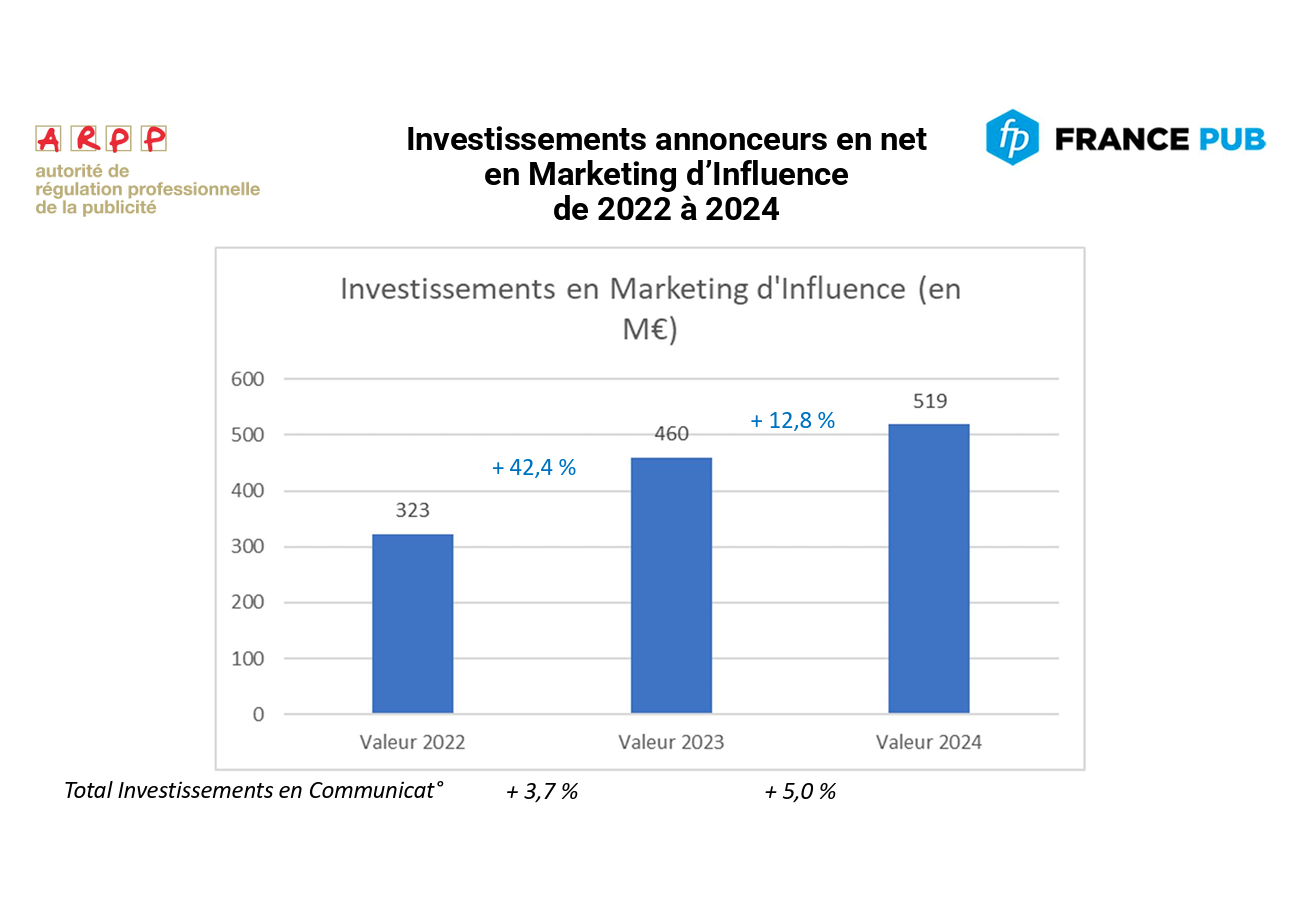
In France, the influencer marketing market has reached 519 million euros in investments Net in 2024, on the rise of 60% in two years, of which 12.8% over the last year alone. After a phase of rapid expansion, growth is slowing slightly, a sign of a market that is becoming structured.
Influence is no longer a field of experimentation. It is now integrated into advertisers' marketing plans. Nearly 20% of national advertisers collaborate with creators, a proportion that climbs to 28% among companies with significant digital budgets. On the consumer side, Nearly one out of two declares to follow or be inspired by the recommendations of influencers.
In other words, influence has become a stable link in the marketing value chain. But some creators are taking it a step further.
The sponsorship model is based on a clear compromise: the creator brings its audience, its credibility and its prescriptive power, while the brand keeps control of the product, production, distribution and value created.
For the most installed profiles, its limits gradually appear: dependence on partnerships, weakening credibility, capturing value by advertisers.
Therefore, a question naturally arises: why continue to promote the products of others when you already have a loyal audience, a high prescribing capacity and a direct relationship with millions of people?
Creating your own brand is becoming a way of Regain control of the discourse, the product and the value generated.
This movement is no longer marginal. It is now measurable, in France as in the United States, through projects that have reached a true industrial scale.
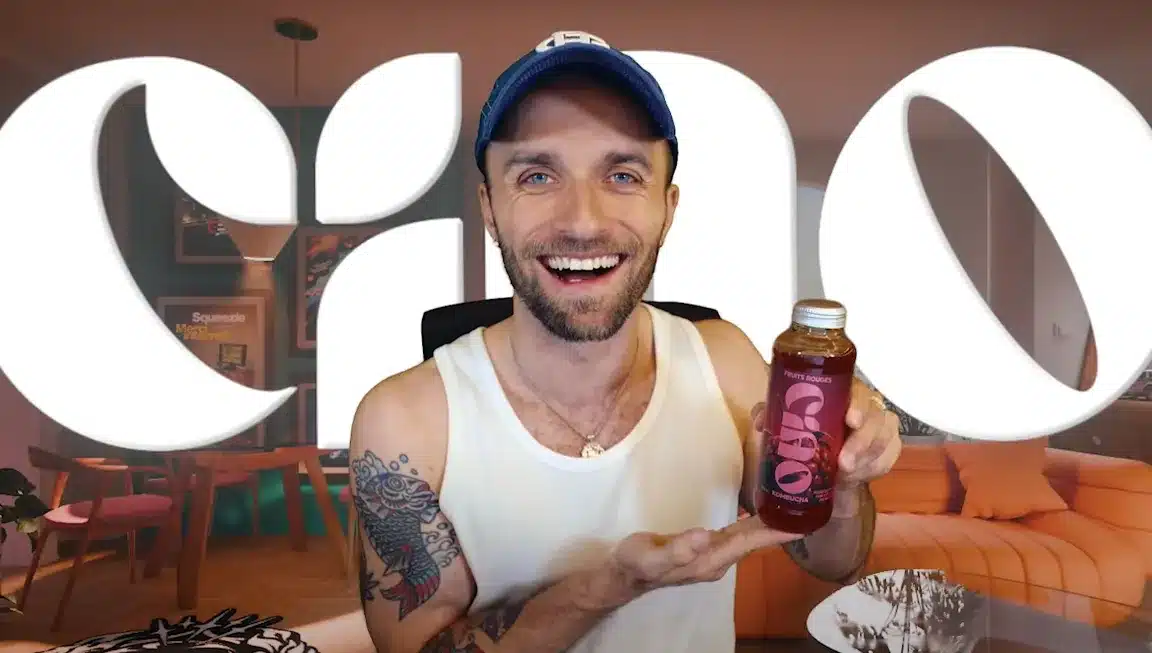
In 2025, Lucas Hauchard, alias Squeezie, launched Ciao Kombucha. The project is not based on historical expertise in the sector, but on a massive audience built around entertainment and proximity.
The launch knows several out of stock in the first weeks. The initial demand is not generated by conventional advertising pressure, but by Activating a pre-existing audience.
According to sectoral estimates published in 2026, 2025 turnover would exceed 15 million euros. Even conservative, these data indicate a rare level of performance for a food brand launched less than a year ago.
This case suggests that the relationship can precede and support product legitimacy.
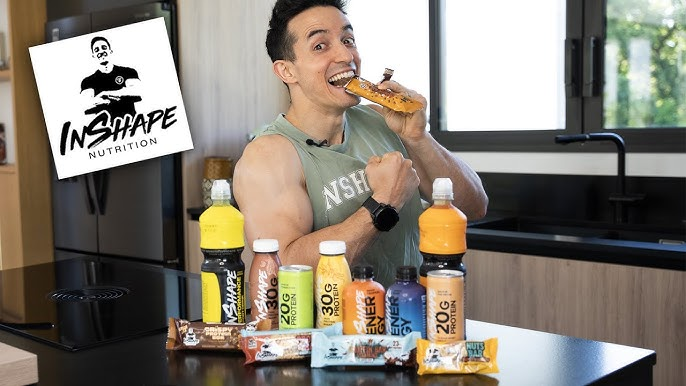
With InShape Nutrition, Tibo InShape relies on an audience built around fitness. Dietary supplements constitute the logical extension of an already credible universe.
But the project goes further. In 2025, the brand strengthened its industrial roots with a production unit in France, in Isère, dedicated in particular to whey and creatine. According to data published at the end of 2025, the activity linked to InShape Nutrition would have generated around 3 million euros in turnover in 2024.
This choice marks an additional step: a form of vertical integration. A project born from a community is gradually adopted The codes of a structured agri-food player.
Although the movement is still relatively recent in France, it has been established for several years in the United States, where it has already reached a completely different dimension.
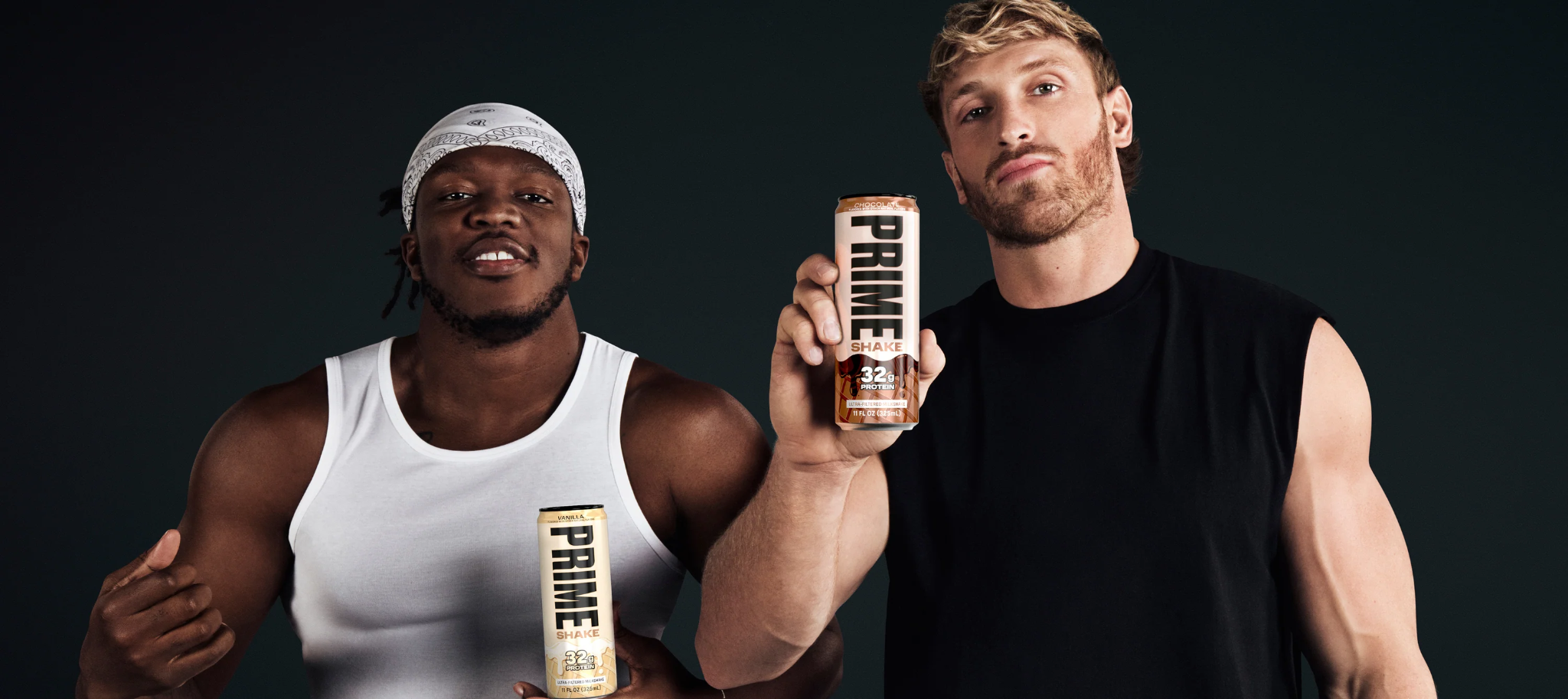
In the United States, Prime has given the phenomenon a spectacular dimension. The drink would have generated 250 million dollars in turnover in its first year. In 2023, revenues would have exceeded The billion dollars according to several estimates.
A project born on YouTube is now competing historical players in an ultra-dominated market.
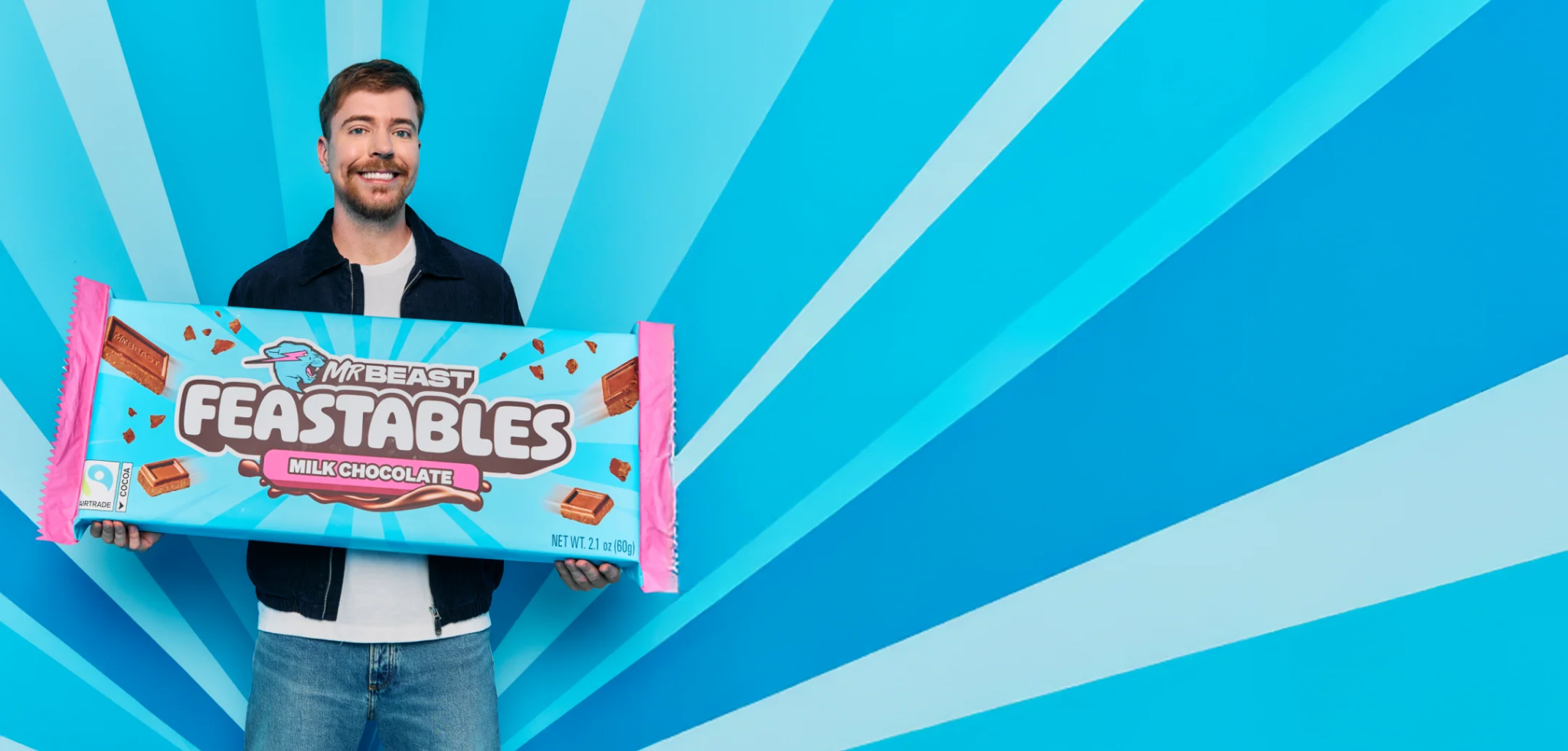
Jimmy Donaldson, aka MrBeast, is launching Feastables with chocolate bars. By relying on a cumulative audience of several hundred million subscribers, the brand quickly established itself in thousands of points of sale.
In 2024, Feastables would have generated 250 million dollars in turnover, or around 50% of MrBeast's total turnover, for $20 million in profits according to Bloomberg.
A move takes place: value no longer arises primarily from the product, but from the relationship. The audience is transformed into demand as soon as it is launched. In these configurations, influence ceases to be a marketing tool. It is becoming an economic infrastructure.
The answer is not just the number of subscribers. Not all influencers can become credible entrepreneurs.
What distinguishes an audience from a community is the accumulation of relational capital over time. Years of regular presence, recurring formats, and a personal narration followed over time create a familiarity that goes beyond simple media exposure.
The so-called parasocial relationship, described as early as 1956 by sociologists Donald Horton and Richard Wohl, refers to this unilateral link that audiences develop with media figures they feel they know intimately. In the age of social networks, this mechanism is intensifying: subscribers follow the routines, opinions, successes, and sometimes doubts of a creator. This perceived proximity fosters trust.
It is this built up trust, much more than raw reputation, which makes it possible to switch to the entrepreneurial act.
If the agri-food sector appears to be a privileged sector, it is not only for cultural reasons. Platforms play a decisive role.
On Instagram, 38% of users regularly consult food content and 27% share it. The hashtag #food is used over 250 million times every month. On TikTok, food trends are spreading at an unprecedented speed. The hashtag #TikTokMadeMeBuyIt, accumulating several billion views, illustrates this ability to transform content into an almost immediate purchase trigger.
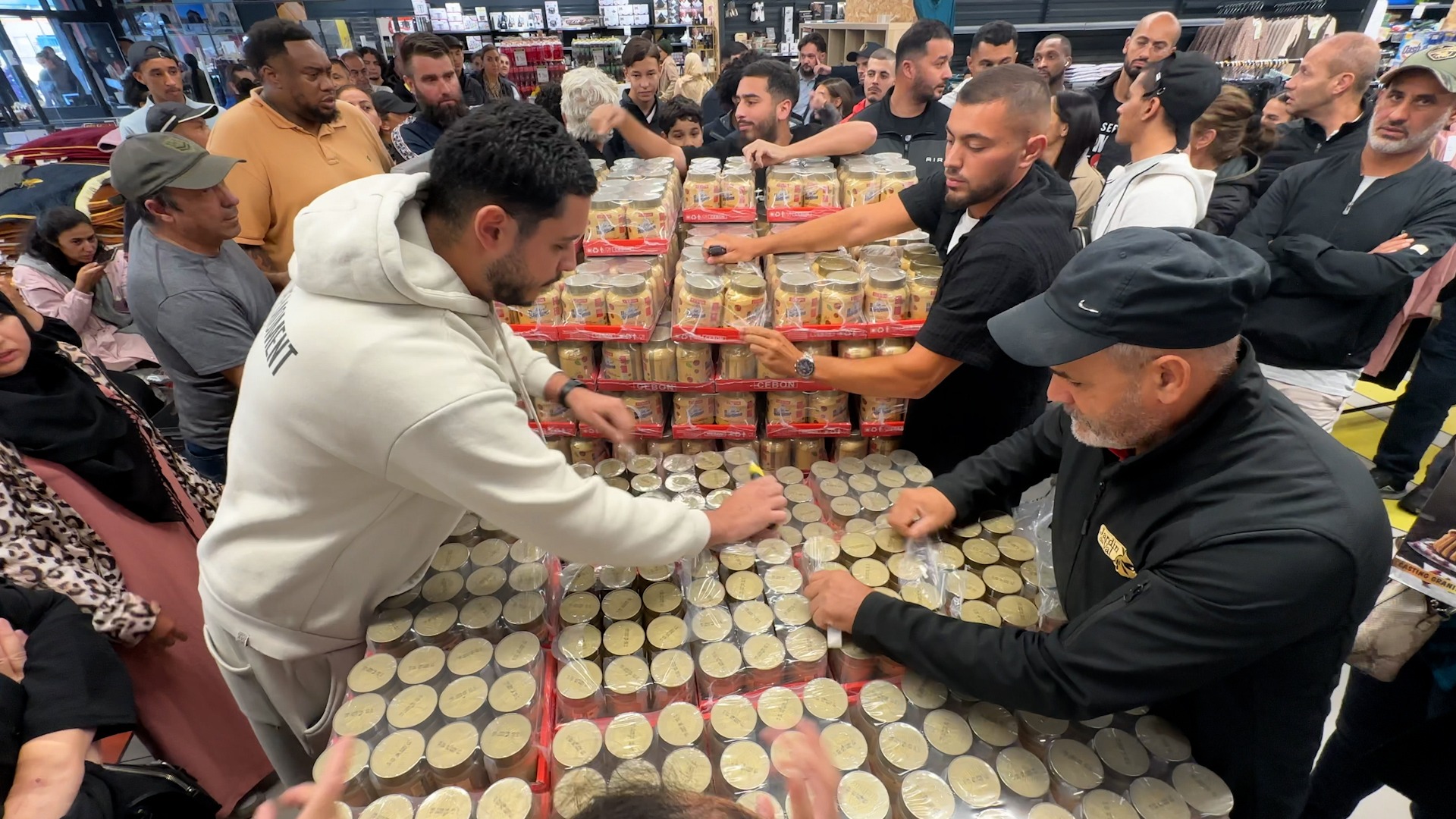
The example of spread El Mordjene, which became viral in 2024 to the point of causing stock shortages in France despite premium positioning and regulatory constraints, shows the power of these dynamics.
In addition, there is a structural characteristic of food: the low barrier to testing. Unlike more attractive products, a food product can be tested without much thought. The frequency of consumption then allows a rapid repetition of the experience and facilitates adoption.
Finally, food is a social fact. It can be shared, commented on and created rituals. On social networks, it makes it easy to move from content to concrete experience.
This combination of platforms, uses and nature of the product explains why the food industry is becoming a privileged field of expression for brands run by creators.
The traditional agri-food model is based on a highly capitalistic sequential logic. Investing starts with product development, continues with Brand building, then through negotiation with The distribution and finally by The demand generation via advertising pressure. The product precedes the hearing.
The model worn by some designers reverses this sequence. The community already exists, the attention is already captured and the relationship established. The product becomes an extension of a pre-existing relational ecosystem.
The first buyers are not to be won over but already committed. The launch is based less on media repetition than on community activation. This can significantly reduce the cost of customer acquisition, as trust precedes the offer.
This reversal is changing the launch economy. Where traditional brands invest heavily before obtaining proof of membership, creators have a form of social pre-validation. The model is not necessarily simpler, but it does redistribute the points of tension: less dependence on media budgets, more dependence on personal coherence and community loyalty.
Opposing traditional brands head-on and brands worn by designers would be simplistic. The two models coexist and start to influence each other.
The model Product-centric brings essential industrial, regulatory and logistical skills. The model Community-centric introduces relational logic, rapid testing ability, and embodied storytelling.
More and more, these logics are coming together. Established brands collaborate with creators to strengthen their proximity to audiences. Influencers rely on industrial partners to secure quality and increase in power.
The challenge is therefore not to choose a side, but to understand how to articulate these approaches.
However, this hybridization remains imperfect. In most cases, the value of designer brands remains heavily focused on a person and their relationship with their community.
This concentration constitutes both strength and vulnerability. A controversy, a change in positioning or a disengagement can weaken the entire project. In addition, product quality becomes central: a failure is immediately amplified in a public digital environment.
The model therefore requires industrial and organizational rigor that is often underestimated.
For historical actors, the question is not whether the model Community-centric will replace the traditional model. He won't. On the other hand, it reveals some blind spots.
Value creation is no longer based solely on the product, the distribution and repetition of messages, but also on the relationship, the embodiment and the ability to federate communities in the long term.
Brands must now ask themselves not only what product to launch, but also with whom, for what community and in what relational framework. The answers lie neither in copying creators nor in the accumulation of opportunistic partnerships, but in hybrid forms capable of integrating these new logics without renouncing industrial requirements.
The subject goes well beyond a few influencers launching food products. It reveals a deeper shift in value creation mechanisms.
In an environment saturated with messages, attention and trust become strategic assets. Some creators have accumulated them over the long term and are finding in the food industry a concrete ground to transform them into economic projects.
This movement does not mean the end of established brands, but It redefines the rules of the game. In the future, the competition may no longer be just about products, but about communities that can give meaning, consistency, and trust to what we consume.





.webp)